What makes live futures day trading on a stream worth watching for a serious trader
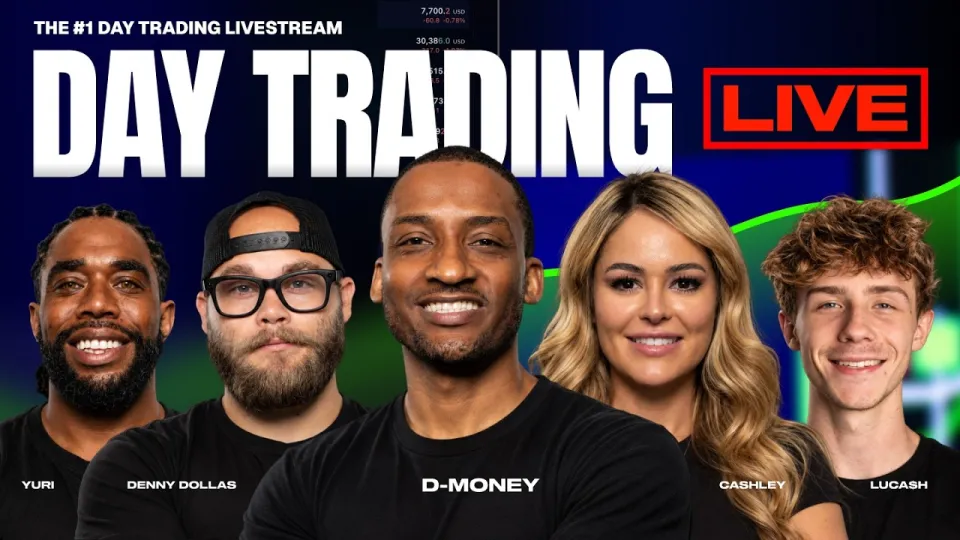
Video: LIVE DayTrading! #1 Watched Futures Trading Show!
You can order the same kind of articles for your own video to boost it on YouTube and Google. Just message the Telegram bot @sat_sit_bot. It writes articles around your video, embeds the video and publishes them on popular niche websites (no ads). Try it free: 50 articles on us.
· based on the channel Patrick Wieland
Live futures day trading is the practice of buying and selling futures contracts such as the E-mini S&P 500 or Nasdaq 100 in real time during an active market session, usually with the trades shown on a stream as they happen. A stream like the BDH show hosted by Patrick Wieland turns that process into a public demonstration: entries, exits, risk rules and prop firm decisions are visible while the market is still moving, not in a highlight reel afterwards. For a trader who wants to learn, that real-time format is the main value, because it shows the decisions and the mistakes that a polished recap would hide.
What live futures day trading actually involves minute to minute
Futures day trading means opening and closing contracts inside a single session so no position is carried overnight. The instruments are standardised: index futures, crude oil, gold, and similar contracts, each with a fixed tick value and margin requirement. Because futures are leveraged, a small move in the underlying index produces a large swing in account equity, which is why position sizing matters more than the entry itself.
A typical live session moves through a repeating loop:
- Mark the levels that mattered on the previous session, including the prior high, prior low and overnight range.
- Watch the opening balance of buyers and sellers, and wait for price to reach a level rather than chasing it.
- Size the position so that a normal stop-out costs a small, pre-defined fraction of the account.
- Manage the trade with a fixed target or a trailing rule, then log the result.
The stream format adds an audience, so the trader narrates the reasoning. That narration is the part worth studying, because it exposes whether a decision came from a rule or from emotion.
How the BDH stream is structured and who is behind it
The BDH show is a daily live futures trading broadcast that combines real trading with market commentary, prop firm reviews and giveaways. It is hosted by Patrick Wieland, who also trades under the names PW and Daddy Warbux, alongside Damareous Young, Lucas Kennard and Denny Jones. The floor is split between South Florida and California, so the crew trades the same session from two locations and compares notes on air.
Because the show runs every trading day, it works as a continuous case study rather than a one-off event. A viewer can follow the same account through winning and losing stretches, which is the only honest way to judge a strategy. The channel also positions itself around prop firm trading, meaning the accounts being traded are funded by evaluation firms rather than by the trader's own capital.
Why prop firms dominate the futures trading conversation
Prop firm trading means a trader passes an evaluation or pays a fee to trade a firm's capital, then splits profits under a set of rules. Those rules, not the chart, are usually what break accounts: a daily loss limit, a maximum trailing drawdown, a consistency requirement, and a minimum number of trading days.
The ranking shown on the stream lists the firms in this order:
- Lucid Trading
- TakeProfitTrader
- Apex Trader Funding
- Tradeify
- Legends Trading
- BluSky Trading
- TradeDay
- MyFundedFutures
Each firm differs in drawdown mechanics, payout speed, contract limits and platform support. A trader choosing between them should compare the drawdown rule first, because a trailing drawdown that follows unrealised profit is far harder to survive than a static one. Rankings are a starting point, not a verdict, and the firms themselves change terms regularly.
What to watch on a live day trading stream and what to ignore
A live stream is useful when you treat it as a laboratory and useless when you treat it as a signal service. The productive way to watch is to write down the level, the entry, the stop and the exit before the trader takes them, then compare your plan with what actually happened.
What deserves attention:
- How the position is sized relative to the account and the stop distance.
- How the trader reacts after a loss, and whether the next trade is smaller, the same, or doubled.
- Whether the stated rules are followed when the market moves against the position.
- How the session is ended, including the decision to stop trading for the day.
What deserves scepticism:
- Any claim that a setup works without a defined invalidation point.
- Results shown without the losing trades that produced them.
- Pressure to copy a trade in real time, which is impossible to do with the same fills.
The most common questions from viewers, answered in context
The two questions that come up most often on a futures stream are which setup is being traded and where that setup can be learned or purchased. Both point to the same underlying need: a viewer wants a repeatable rule set instead of a stream of opinions.
On the BDH show, the answer to the second question is concrete: a two-hour course teaching Patrick Wieland's strategy is listed at $99 on onlypropfirms.com. The answer to the first question is that the setup is demonstrated live rather than described in the abstract, which is why watching several sessions matters more than watching one.
A third recurring theme is copy trading. Copying live entries sounds simple but fails in practice for mechanical reasons: the stream is delayed, the viewer's fill differs, and the trader's stop distance may not match the viewer's account size. Copying a position without copying the risk model transfers the trade but not the edge.
A fourth theme is account selection. Traders who fail an evaluation often blame the market when the real cause was a drawdown rule that forced a stop-out at the worst moment. Reading the rulebook before buying an account is the cheapest risk management available.
A practical routine for a trader who watches live futures sessions
Watching a stream only pays off if it changes what you do in your own account. A workable routine looks like this:
- Before the session, write your own levels and one or two scenarios for the day.
- During the session, note every trade the host takes with entry, stop and exit, without copying it.
- After the session, compare your scenarios with what the market actually did and mark where your plan was wrong.
- Once a week, review your own log and check whether your losses came from bad entries or from breaking your own rules.
- Trade a small account or a simulator until your rule-following is consistent, then scale.
This routine turns entertainment into practice. It also protects against the main hazard of live trading content, which is the temptation to trade more often and larger than your plan allows.
Risk, regulation and the honest limits of a trading stream
Futures trading carries substantial risk, and leverage means losses can exceed what a beginner expects. A stream shows one trader's process on one account; it is not investment advice, and past performance does not predict future results. Many of the links shared on such shows are affiliate links, which means the host may earn a commission when a viewer signs up for a prop firm or a course. That does not automatically make the information wrong, but it does mean the incentive structure should be understood before any purchase.
The practical takeaway is to separate three things: the market analysis, the business of selling accounts and courses, and your own risk. The first can be learned from, the second should be evaluated like any purchase, and the third is entirely your responsibility.
Final thoughts on learning from a daily live futures show
The BDH live futures day trading show, produced by the Patrick Wieland channel, is a useful case study because it runs every trading day and shows the unglamorous parts of the job: waiting, sizing, taking small losses and stopping. Used as a laboratory rather than a signal feed, it can shorten the learning curve for a trader studying futures, prop firm rules and risk management. The right way to use it is to form your own plan first, then compare that plan with what happens on screen and adjust your process, not your expectations. Anyone considering a prop firm account or a paid course should read the rules and the terms carefully before spending money, and should never risk capital they cannot afford to lose.
Key takeaways
- Live futures day trading is real-time trading of index and commodity futures contracts during an active session, often streamed for an audience.
- The BDH show streams every trading day from South Florida and California and is hosted by Patrick Wieland with Damareous Young, Lucas Kennard and Denny Jones.
- Prop firm rankings shown on the stream put Lucid Trading first, TakeProfitTrader second and Apex Trader Funding third, followed by Tradeify, Legends Trading, BluSky Trading, TradeDay and MyFundedFutures.
- A two-hour course teaching Patrick Wieland's trading strategy is listed at $99 on onlypropfirms.com.
- Viewers most often ask which setup is being traded and where the same setup can be bought, which is why the stream doubles as a live strategy demonstration.
Questions & answers
What is live futures day trading?
It is buying and selling futures contracts such as index or commodity futures during an active session, with all positions closed before the session ends. When it is streamed, viewers see entries, exits and risk decisions in real time rather than in a recap. The main instruments are leveraged, so position sizing matters as much as the entry.
Which setup is being traded on the BDH stream?
The stream demonstrates the host's own setup live instead of naming it in the abstract, which is why the most common viewer question is which setup is on screen. A two-hour course teaching Patrick Wieland's strategy is listed at $99 on onlypropfirms.com for traders who want the rules written out. Watching several sessions is more useful than watching one, because it shows how the setup behaves in different conditions.
Is copy trading a live stream a good idea?
Copying live entries is unreliable because the stream is delayed, your fill price differs, and the trader's stop distance may not fit your account size. Copying the trade without copying the risk model transfers the position but not the edge. It is safer to use the stream to study the process and then apply your own rules.
How should a beginner choose between prop firms?
Compare the drawdown rule first, since a trailing drawdown that follows unrealised profit is much harder to survive than a static one. Then check payout speed, contract limits, consistency requirements and platform support. Rankings such as the one shown on the stream are a starting point, but terms change, so verify them directly with the firm.
Source: LIVE DayTrading! #1 Watched Futures Trading Show! · Markdown version